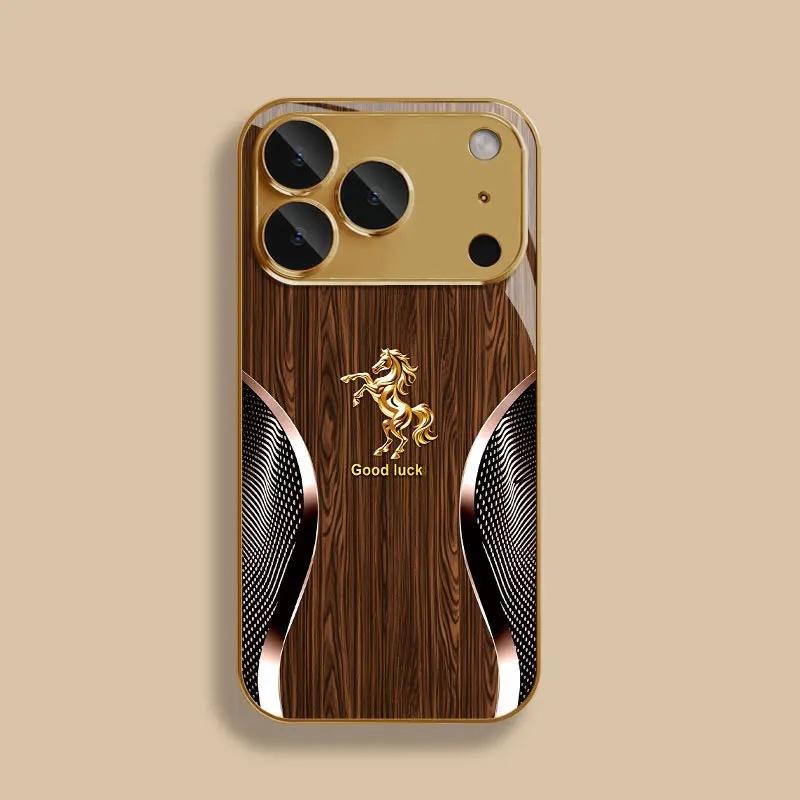
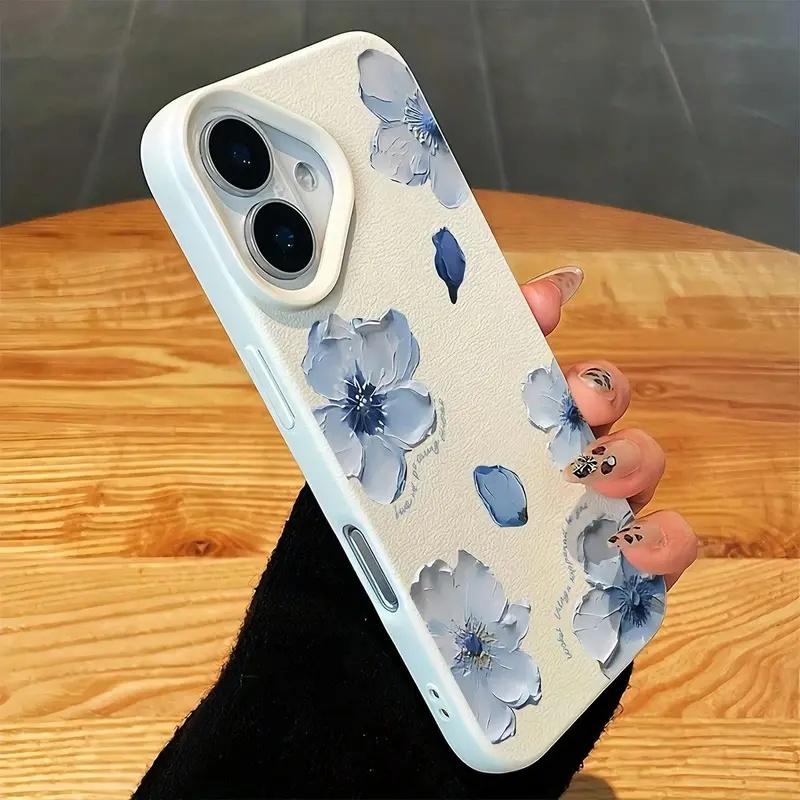
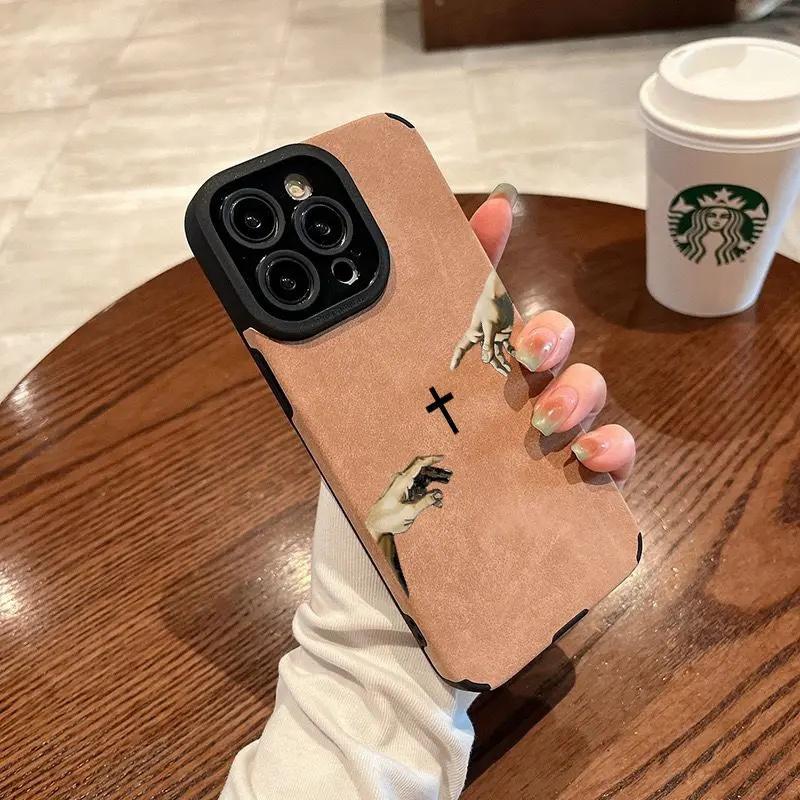
Wood grain can be a picture. Leather grain can be a visible pattern. A fur-like field can be a listing phrase. The useful question is not whether a case looks textured, but which kind of texture the available evidence can support.
A material-looking image, a visible grain and a documented construction term answer different questions. Read them as separate evidence levels, and leave touch or performance unresolved when the current record stops at the photograph or listing wording.
01 — Give texture three separate columns
Use a small evidence ladder for every example: depicted texture is the material the image resembles; visible surface cue is the grain, shine, flecking or relief that the photograph actually shows; documented material fact is a construction or surface description stated in the current catalog. If the record has no material field, do not promote resemblance into composition, touch or performance.
02 — Wood grain can belong to the picture
In the golden-horse case, vertical brown grain lines remain visible behind the centered horse and between two black curved side panels. The listing title separately names a wooden background and tempered glass. That supports a wood-grain image plus listing-attributed glass wording; it does not establish a wood case, wood veneer, warmth, weight or natural grain.
03 — Fine grain is visible; leather touch is unresolved
The blue-floral case photograph shows a fine pale grain across the cream ground behind the flowers, and the angled view catches small highlights across that field. The title uses the phrase leather texture, but the current record supplies no independent material field or physical sample. Describe the grain and the listing language separately; do not call it leather, soft-touch or non-slip.
04 — A fur-like field still needs scale and touch
The brown case shows a dense, even flecked field behind two hand images and a small cross. Its title says fine-hole imitation fur, while the current data has no material specification and only one catalog photograph. The image supports a fine repeated surface appearance, not pile height, softness, warmth, fiber composition, shedding, grip or whether the effect is printed, molded or textile-covered.
05 — Stop at the highest rung the evidence reaches
For each case, ask in order: what material is depicted, what surface cue is visible, what material wording is documented and what would require touch or testing? If the answer stops at the photograph, write a visual description. If the listing supplies a construction term, attribute it to the listing. Reserve tactile and durability language for a physical sample or a disclosed method.
Three questions before naming a surface
Can a phone-case photograph prove that a surface feels like wood, leather or fur? No. A photograph can show depicted grain, shine, flecking or apparent relief, but touch, weight, warmth, grip and softness require a physical sample or a documented method.
What is the difference between depicted texture and a documented material fact? Depicted texture is what the image resembles. A documented material fact is an attributed construction or surface term in the current record; it should remain separate from what the photograph alone can establish.
How should material-like listing words be described? Attribute the wording to the listing, record the visible surface cue separately and leave tactile or durability claims unresolved unless specifications, samples or disclosed tests support them.
Stop where the evidence stops
Pictured material. What does the image resemble?
Visible surface cue. Which grain, shine, flecking or relief can the photograph actually show?
Documented wording. Which construction or surface term appears in the current listing?
Sample or test. Which claims about touch, wear or performance remain unverified?
Image note: These are current primary catalog photographs of the exact cases discussed. They support bounded observations about visible grain, highlights and flecking. Tempered glass, leather texture and imitation fur are attributed to current listing language; the images do not independently establish wood, leather, fibers, softness, warmth, grip, weight, protection, durability or aging.